

Your eyes are irreplaceable. Yet, finding the right eye doctor often feels overwhelming.
You might be squinting at your phone more than usual. Maybe you’re experiencing headaches or blurry vision. Or perhaps it’s just been years since your last eye exam, and you know it’s time.
Choosing an eye doctor isn’t just about getting a prescription for glasses. It’s about finding someone who truly cares about your long-term vision and overall eye health. The right professional can catch serious conditions early, from glaucoma to diabetes-related issues.
In this guide, I’ll walk you through everything you need to know about selecting an eye doctor who fits your needs. We’ll cover the types of eye care professionals, what to look for during your search, questions you should ask, and red flags that should send you running. By the end, you’ll feel confident about making this important healthcare decision.
Understanding Different Types of Eye Care Professionals
Before you start your search, you need to understand who does what in the eye care world.
Optometrists vs. Ophthalmologists
Optometrists are primary eye care providers. They have a Doctor of Optometry (OD) degree and can perform eye exams, prescribe glasses and contact lenses, and diagnose common eye conditions. Most optometrists can also prescribe medications for eye diseases.
Ophthalmologists are medical doctors (MDs) who specialize in eye care. They can do everything optometrists do, plus perform surgery and treat complex eye diseases. If you have serious eye conditions like cataracts or retinal problems, you’ll likely see an ophthalmologist.
What About Opticians?
Opticians fill and fit prescriptions for glasses and contact lenses. They don’t perform eye exams or diagnose conditions. Think of them as the technical experts who help you see clearly once your eye doctor has determined what you need.
For most people, an optometrist is the perfect starting point. They handle routine care exceptionally well and will refer you to an ophthalmologist if needed.
What to Look for When Choosing Your Eye Doctor
Finding the right eye doctor takes some homework. Here’s what matters most.
Credentials and Experience
Check that your potential eye doctor is properly licensed. You can verify this through your state’s medical or optometry board. Look for board certification, which shows they’ve met rigorous standards.
Experience matters, especially if you have specific concerns. Someone who’s been practicing for years has seen countless cases and knows how to handle unusual situations.
Location and Convenience
Let’s be honest. You’re more likely to keep up with regular eye exams if your doctor’s office is convenient. Look for a practice near your home or workplace.
Check their hours too. Do they offer evening or weekend appointments? This flexibility can make a huge difference in maintaining consistent eye care.
Technology and Equipment
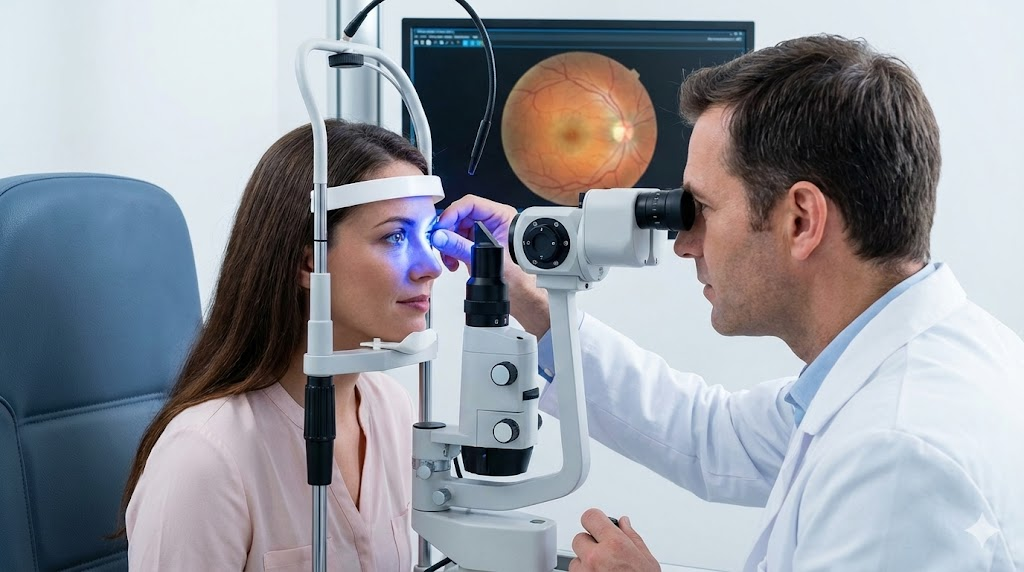
Modern eye care relies on advanced technology. During your research or initial visit, notice what equipment they use.
Quality practices invest in:
- Digital retinal imaging
- OCT (Optical Coherence Tomography) scanners
- Automated refraction systems
- Comprehensive testing equipment
These tools help catch problems early and provide more accurate prescriptions.
Insurance and Payment Options
Nothing kills the excitement of new glasses faster than unexpected costs. Before booking, confirm that the practice accepts your insurance.
Ask about:
- Which insurance plans do they accept
- What services are covered
- Out-of-pocket costs for common procedures
- Payment plans for larger expenses
Some practices offer membership programs if you don’t have vision insurance. These can provide significant savings on exams and eyewear.
The Importance of Reviews and Recommendations
Other patients’ experiences tell you a lot. I always check multiple review sources before choosing any healthcare provider.
Where to Find Reliable Reviews
Start with Google Reviews and Yelp. Look for patterns rather than focusing on single reviews. Does everyone mention long wait times? Do multiple people praise the thorough exams?
Healthgrades and Vitals are excellent resources specifically for healthcare providers. They often include detailed information about education, specialties, and patient satisfaction ratings.
Ask People You Trust
Personal recommendations carry weight. Ask family, friends, or coworkers who they see. Your primary care doctor can also provide referrals to reputable eye doctors in your area.
When someone recommends their eye doctor, ask why they like them. What makes the experience positive? This gives you insight into what matters to real patients.
Reading Between the Lines
Not all negative reviews are deal-breakers. Someone complaining about parking might not bother you if you take public transit. But multiple complaints about rushed appointments or dismissive behavior? That’s a red flag.
Look for how practices respond to negative reviews. Do they address concerns professionally? This shows they care about patient satisfaction.
Questions to Ask During Your First Visit
Your first appointment is an interview process. You’re evaluating whether this eye doctor is right for you.
About Their Practice
“How long have you been practicing?” “What’s your approach to patient care?” “Do you specialize in any particular areas?”
These questions help you understand their experience and philosophy.
About Your Specific Needs
Be upfront about your concerns. If you have diabetes, ask about their experience managing diabetic eye disease. If you’re interested in LASIK, ask if they perform the procedure or can refer you to someone they trust.
“What’s your experience with [your specific condition]?” “How often should I schedule follow-up appointments?” “What warning signs should I watch for between visits?”
About Communication
Good healthcare requires good communication. Ask how they prefer to handle questions between appointments.
“Can I email with questions?” “How quickly can I expect a response?” “Do you offer telehealth consultations?”
Some practices have patient portals where you can message staff and access your records. This convenience factor shouldn’t be underestimated.
Red Flags to Watch Out For
Trust your instincts. Certain warning signs should make you reconsider your choice.
Rushed Appointments
Your eye doctor should take time to thoroughly examine your eyes and answer your questions. If you feel hurried through your appointment, that’s a problem.
A comprehensive eye exam typically takes 30-60 minutes. Anything significantly shorter raises concerns about thoroughness.
Pushy Sales Tactics
Yes, eye doctors sell glasses and contact lenses. But they shouldn’t pressure you into expensive options you don’t need.
Be wary if they:
- Dismiss your budget concerns
- Only show you premium options
- Make you feel guilty for choosing basic frames
- Push unnecessary add-ons
A good eye doctor presents options and lets you decide what works for your needs and budget.
Poor Communication
If your eye doctor uses technical jargon without explaining what it means, that’s frustrating. You deserve clear explanations about your eye health.
Watch for:
- Dismissing your questions or concerns
- Not listening when you describe symptoms
- Failing to explain test results
- Making you feel stupid for asking questions
Outdated Equipment or Facilities
While fancy equipment isn’t everything, severely outdated technology can affect the quality of your care. If the office looks like it hasn’t been updated since the 1980s, consider whether they’re investing in their practice.
Making the Most of Your Eye Exam
Once you’ve chosen your eye doctor, prepare for your appointment to get the best results.
Before Your Visit
Write down any symptoms you’ve noticed. Are you experiencing headaches? Blurry vision at certain times? Eye strain when using computers?
Bring:
- Your current glasses or contact lenses
- A list of medications you take
- Your insurance card
- Your family medical history (eye diseases can be hereditary)
If this is your first visit, arrive 10-15 minutes early to complete paperwork.
During Your Exam
Be honest about everything. If you sometimes forget to remove your contacts before bed, say so. If you have trouble reading street signs at night, mention it.
Don’t guess during vision tests. It’s okay to say “I can’t see that” or “I’m not sure.” Your eye doctor needs accurate information to prescribe correctly.
Ask questions when you don’t understand something. A good eye doctor welcomes your curiosity and wants you to understand your eye health.
After Your Appointment
Review your prescription and make sure you understand it. If you’re getting new glasses, ask about the expected adjustment period.
Understand the follow-up plan. When should you schedule your next exam? What symptoms should prompt an earlier visit?
Keep your prescription in a safe place. You might want to order glasses online or need them for another purpose later.

Special Considerations for Different Life Stages
Your eye care needs change throughout your life. Here’s what to consider at different ages.
Children and Teens
Kids should have their first eye exam around six months old, another at age three, and before starting school. After that, they need annual checkups.
Choose an eye doctor who’s patient with children. Pediatric eye care requires special skills and child-friendly equipment.
Adults (20-40)
Even if your vision seems perfect, you need eye exams every two years. Many eye conditions develop without obvious symptoms.
This is when many people need their first prescription glasses. Computer use, reading, and other close work can reveal vision issues.
Middle Age (40-60)
Welcome to the presbyopia years. Around age 40, nearly everyone struggles with reading small print. This is completely normal.
Your eye doctor might recommend:
- Reading glasses
- Bifocals or progressive lenses
- Contact lenses designed for presbyopia
Annual exams become more important now. The risk of conditions like glaucoma and cataracts increases.
Seniors (60+)
Regular eye exams are crucial. Many serious eye diseases become more common with age.
Look for an eye doctor experienced with senior patients. They understand age-related concerns and can screen for conditions that threaten vision.
When to See Your Eye Doctor Between Regular Checkups
Don’t wait for your scheduled appointment if you experience certain symptoms.
Urgent Warning Signs
Contact your eye doctor immediately if you notice:
- Sudden vision loss or significant changes
- Eye pain or persistent discomfort
- Flashes of light or new floaters
- A curtain-like shadow across your vision
- Eye injury or chemical exposure
These could indicate serious problems requiring immediate attention.
Other Concerns Worth Mentioning
Schedule an earlier appointment for:
- Persistent eye strain or headaches
- Difficulty seeing at night
- Increasing sensitivity to light
- Red, itchy, or watery eyes that don’t improve
- Changes in your ability to see colors
When in doubt, call. Eye doctors would rather answer a question than have you ignore something serious.
Building a Long-Term Relationship with Your Eye Doctor
Think of your eye doctor as a partner in maintaining your vision health.
Consistency Matters
Seeing the same eye doctor over time provides continuity. They know your history, notice subtle changes, and can track trends in your eye health.
This relationship becomes especially valuable as you age and face more complex eye care needs.
Be an Active Participant
Stay informed about your eye health. Ask questions. Follow recommendations. Report changes promptly.
The more engaged you are, the better your eye doctor can serve you.
Don’t Skip Regular Exams
Life gets busy. But skipping eye exams is risky. Many sight-threatening conditions develop slowly without symptoms.
By the time you notice problems, permanent damage may have occurred. Regular checkups catch issues early when they’re most treatable.
Set a recurring reminder on your phone. Schedule next year’s appointment before you leave the office. Make eye care a priority.
Conclusion
Finding the right eye doctor is one of the smartest investments you can make in your health. Your vision affects everything from your ability to work to your quality of life.
Take time to research your options. Look for credentials, read reviews, and trust your instincts during that first visit. A great eye doctor combines technical expertise with genuine care for your well-being.
Remember, you deserve an eye doctor who listens, explains clearly, and treats you as a partner in your care. Don’t settle for less.
When was your last eye exam? If it’s been more than two years, today might be the perfect day to start looking for your ideal eye doctor. Your future self will thank you for taking this step.
FAQs
How often should I see my eye doctor?
Most adults should have eye exams every two years if they have no vision problems. If you wear glasses or contacts, have eye conditions, or are over 60, annual exams are recommended. Your eye doctor will advise you on the right schedule for your situation.
What’s the difference between a vision screening and a comprehensive eye exam?
Vision screenings check if you can see clearly, but don’t examine eye health. Comprehensive eye exams include tests for diseases like glaucoma, cataracts, and macular degeneration. They’re much more thorough and can catch serious problems early.
Do I need a referral to see an eye doctor?
Usually not. Most people can schedule directly with an optometrist. However, some insurance plans require referrals for specialists. Check your policy or call your insurance company to confirm.
Can I order glasses online with my prescription?
Yes, your prescription is yours. Eye doctors must provide a copy after your exam. Many people successfully order glasses online. Just ensure the website is reputable and offers accurate measurements.
What if I don’t have vision insurance?
Many eye doctors offer self-pay options or membership programs. These can provide affordable eye exams and discounts on eyewear. Some retail optical chains offer budget-friendly exams. Community health centers may also provide low-cost eye care.
How long does a comprehensive eye exam take?
Expect 30-60 minutes. This includes vision testing, eye health evaluation, and a discussion with your eye doctor. If you’re getting contact lenses fitted, allow extra time.
Should I see the same eye doctor who treats my family members?
Not necessarily. While family practices are convenient, choose based on your specific needs. If you have special concerns or conditions, find someone with relevant expertise.
What should I do if I disagree with my eye doctor’s recommendation?
Discuss your concerns openly. Ask questions until you understand their reasoning. If you’re still uncomfortable, getting a second opinion is perfectly acceptable. Your eye health is too important to ignore concerns.
Can my eye doctor detect health problems beyond my eyes?
Yes. Eye exams can reveal signs of diabetes, high blood pressure, high cholesterol, and even some cancers. Your eyes provide windows into your overall health, making regular exams even more valuable.
How do I know if I need to see an ophthalmologist instead of an optometrist?
Your optometrist will refer you if needed. Ophthalmologists handle complex diseases, surgery, and specialized treatments. Most routine care is perfectly managed by optometrists who excel at primary eye care.
Leave a Reply